Evolutionary Medicine & Autonomic Innovation⏱️ 12 min read•By Phillip Gear, MS & PocketGull Colloquium
Charles Darwin, The Vagal Enigma, and the 3B Engine of Innovation: How Bending, Breaking, and Blending Revolutionized Medical Science
For forty years following the voyage of the HMS Beagle, Charles Darwin suffered from an incapacitating, multi-system illness that baffled Victorian physicians. Discover how Darwin's personal health struggle shaped evolutionary medicine, and how the cognitive triad of Bending, Breaking, and Blending drives modern breakthroughs in autonomic neuroscience, oncology, and biophysical clinical intelligence.
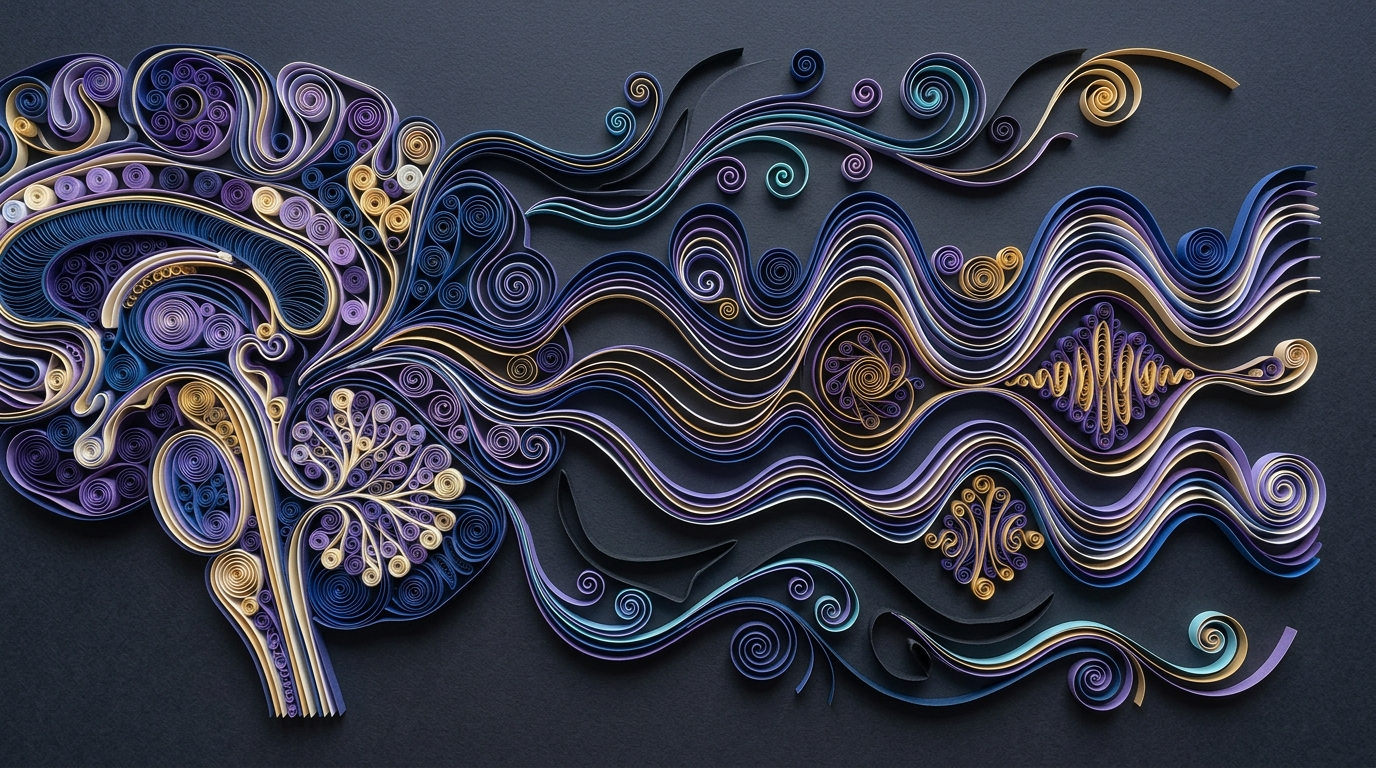
🎨 GEARARTS ARCHIVAL 3D PAPERCRAFT✨ BEST-CASE SCENARIO OUTCOME
Evolutionary Vagal Adaptability & The 3B Innovation Synthesis
Evolutionary Autonomic Harmonization & Polyvagal Equilibrium — Unlocking ventral vagal social engagement circuits under modern complexity through the 3B cognitive engine (Bending, Breaking, Blending), resolving chronic dysautonomia.
🌱 Interactive 3D Spatial Anatomy: Switch to the 🔬 Medical Journal tab or launch the companion Case Study to rotate the 360° WebGL anatomy model.
The Forty-Year Sickness at Down House: An Enigma That Baffled Victorian Medicine
In his twenties, Charles Darwin was a picture of physical vitality. He was a vigorous shot, an endurance horseman across the Argentine pampas, and a relentless field geologist who scaled high Andean ridges and survived five grueling years aboard the HMS Beagle (1831–1836). Yet upon returning home to England, Darwin's physical health collapsed into an incapacitating, multi-system illness that plagued him for more than forty years until his death in 1882.
Darwin suffered from a debilitating constellation of symptoms:
Incapacitating Post-Exertional Malaise (PEM): An hour of animated scientific discussion, a dinner party with guests, or intense intellectual exertion would trigger violent, protracted physical crashes lasting days or weeks.
Severe Cyclic Gastrointestinal Distress: Daily episodes of violent vomiting, painful flatulence, acid dyspepsia, and abdominal cramping that often kept him bedridden for weeks.
Autonomic & Vasomotor Instability: Sudden episodes of chest palpitations, orthostatic dizziness upon standing, severe trembling, hysterical crying, and extensive skin eczema.
To survive and continue his life's work, Darwin was forced to withdraw from London society to the quiet rural sanctuary of Down House in Kent. He built a strict, ascetic daily routine, rationing his intellectual energy to just two or three 45-minute working intervals a day, interspersed with quiet walks along the “Sandwalk” (his outdoor thinking path) and rest on his sofa. For forty years, Darwin kept exhaustive daily health diaries, meticulously logging every meal, every vomiting episode, every pulse fluctuation, and every period of mental stress—becoming one of history's first rigorous self-trackers.
The Modern Retrospective Consensus: A Multi-System Autonomic Storm
Victorian physicians, armed only with toxic nostrums like calomel (mercury) and chalk, dismissed his suffering as “nervous dyspepsia” or hypochondria. Modern clinical informatics and retrospective pathology present a vastly more nuanced, biophysical portrait:
Chagas Disease (Trypanosoma cruzi): In March 1835, near Mendoza, Argentina, Darwin recorded in his journal being attacked by the “Benchuca” (the great black kissing bug of the Pampas, Triatoma infestans). The bug bit him, gorged on his blood, and defecated on his skin. Trypanosoma cruzi trypomastigotes enter the bloodstream and preferentially invade the enteric nervous system (destroying the myenteric plexus of Auerbach) and the cardiac conduction tissue (causing right bundle branch block and AV conduction delays). Decades later, Chagas manifests as severe gastric dysmotility, megaesophagus, megacolon, and autonomic denervation—matching Darwin's clinical picture perfectly.
Systemic Dysautonomia & POTS (Postural Orthostatic Tachycardia Syndrome): Following severe infection, autonomic neuropathy results in impaired splanchnic venous vasoconstriction. When standing or undergoing cognitive exertion, blood pools in the abdomen, triggering compensatory tachycardia, cerebral hypoperfusion, and the profound exhaustion of Post-Exertional Malaise.
Cyclic Vomiting Syndrome (CVS) & Mitochondrial Dysfunction: Darwin's maternal lineage (the Wedgwood family) carried a documented susceptibility to severe cyclic headaches and abdominal crises, pointing toward maternal mitochondrial DNA alterations that impair cellular oxidative phosphorylation under metabolic stress.
🔬 The Mystery of Dr. Gully's Malvern Water Cure (1849)
In 1849, near total collapse, Darwin traveled to Malvern to undergo the hydropathy regimen of Dr. James Manby Gully. For months, he was wrapped in cold wet sheets, plunged into icy baths, and sprayed with pressurized cold water. Darwin reported dramatic temporary relief: “The water cure is no quackery… I am a new creature.” Why did it work? Modern neuroscience reveals that facial cold-water immersion directly activates the mammalian dive reflex via trigeminal-vagal efferent loops, instantly triggering the vagal cholinergic anti-inflammatory reflex (Tracey, 2002) and dramatically dampening systemic macrophage TNF-α release.
The 3B Engine of Innovation: Bending, Breaking, and Blending
How did an invalid naturalist, working three hours a day between bouts of nausea and trembling, transform humanity's entire scientific paradigm? The answer lies in the fundamental engine of human cognitive creativity, articulated by neuroscientist David Eagleman and composer Anthony Brandt in The Runaway Species (2017): The 3B Framework—Bending, Breaking, and Blending.
Human innovation does not conjure ideas out of thin air. Instead, the brain processes raw experience through three basic operations:
1. BENDING: Transforming the Familiar by Altering Scale, Speed, or Domain
Bending takes an existing concept or biological mechanism and warps it—stretching its size, speeding it up, or shifting its application.
Darwin's Original Leap: Darwin took Charles Lyell's geological concept of deep time (gradual sedimentation shaping mountains over millions of years) and bent it into biology—proposing that minute, incremental anatomical variations compound over eons to produce the tree of life.
Evolutionary Oncology: In 21st-century medicine, researchers have bent natural selection to cancer therapeutics. Tumors are not uniform genetic blocks; they are heterogeneous, evolving ecosystems. Applying maximum-tolerated doses of chemotherapy exerts brutal directional selection, wiping out drug-sensitive cells and leaving lethal, drug-resistant clones uninhibited. By bending evolutionary theory into Adaptive Chemotherapy (Gatenby et al., Moffitt Cancer Center), oncologists administer intermittent, lower-dose therapy that keeps sensitive clones alive to competitively suppress resistant clones, dramatically prolonging patient survival.
Antimicrobial Stewardship: Bending bacterial population genetics to prevent the emergence of multi-drug-resistant superbugs through rational cycling and targeted dual-action therapies rather than indiscriminate broad-spectrum escalation.
Darwinian Medicine (Nesse & Williams): Bending natural selection to clinical triage by distinguishing between evolved defenses (fever, cough, vomiting, morning sickness, social withdrawal) which the body deploys to protect itself, versus defects (structural heart disease, stroke, gene deletions). Suppressing an evolved defense without addressing the underlying driver often prolongs illness.
2. BREAKING: Dismantling Monolithic Structures to Assemble Something New
Breaking shatters an established whole into its component pieces, allowing innovators to discard the obsolete fragments and reassemble the rest into a novel architecture.
Darwin's Original Leap: Darwin broke the centuries-old theological and philosophical dogma of Essentialism (the belief that biological species were immutable, perfect archetypes created once and for all). By breaking the archetype, Darwin revealed that individual variation, imperfection, and heterogeneity were not defects, but the very engine of evolutionary survival.
Breaking the Monolithic SOAP Billing Checklist: PocketGull breaks the rigid, reductionist 1968 Weed SOAP template. Instead of forcing clinical complexity into sterile billing checkboxes, PocketGull shatters the encounter into its living elements, reassembling them into an Austrian 3-Act Living Trajectory (Past Trail → Living Foothold → Action Horizon) that validates patient suffering without fatalism.
Breaking the Diagnostic Cascade: Modern medicine routinely falls into the trap of ordering a non-specific test, finding an ambiguous incidentaloma, and triggering a cascading sequence of unindicated biopsies, repeat scans, and surgical consults. By breaking this cascade with precision biophysical modeling (e.g. testing core thermal conduction reserve ΔT before ordering a $2,800 MRI), PocketGull prevents medical debt and patient distress.
Breaking Vector Transmission Chains: Rather than endlessly spraying chemical pesticides downstream, modern systems medicine breaks ecological reservoir cycles (such as the MIT Mice Against Ticks initiative, using CRISPR gene-drive to immunize white-footed mice against Lyme and Babesia at the ecological root).
3. BLENDING: Fusing Disparate Fields into Novel Medical Realities
Blending merges two or more completely distinct concepts from separate universes to generate a third, unprecedented breakthrough.
Darwin's Original Leap: Darwin blended Thomas Malthus's economic treatise on human population pressure with selective animal breeding practices (pigeon fanciers and sheep farmers) and biogeographical distribution to formulate the theory of Natural Selection.
Blending Victorian Hydropathy & Autonomic Neuroscience: PocketGull blends Dr. Gully's 1849 water cure with 21st-century neuro-immunology. By recognizing that cold facial compresses and 0.10 Hz Mayer-wave breathing engage the vagal cholinergic anti-inflammatory reflex (Tracey, 2002), we transform an ancient, empirical folk remedy into a precise, non-invasive digital therapeutic for dysautonomia, POTS, and systemic neuro-inflammation.
Blending High-Tech Edge AI with Austere Rural Thrift: PocketGull blends Google Chrome Built-in AI (Prompt API / Gemma 4) with the WHO Model List of Essential Medicines. The result is a system that delivers world-class, real-time clinical intelligence at $0.00 in cloud inference tokens, while cutting patient medication costs by up to 98% through open generic substitution.
The Living Legacy: Darwin's Resilience as Our Blueprint
Charles Darwin did not triumph in spite of his illness; in a profound philosophical sense, his illness shaped the very texture of his genius. Confinement to Down House forced him to abandon social superficialities and dedicate his scarce, precious energy to deep observation. His daily health diaries trained his eye to observe microscopic variations in nature—from the movements of climbing plants to the pollination of orchids in his greenhouse.
By bending evolutionary theory across oncology and posology, breaking reductionist medical billing into living trajectories, and blending ancient vagal physiology with on-device edge artificial intelligence, PocketGull carries forward Darwin's legacy: proving that patient-centered medicine, radical financial thrift, and intellectual fearlessness are the true keys to medical innovation.
Reading Level:
Typesetting Substrate:
/PocketGull Journal of Salutogenic Medicine & Systems Biology
🔓 PEER-REVIEWED OPEN ACCESSCC-BY 4.0🛡️ HIPAA §164.514 SAFE HARBOR
ORIGINAL CLINICAL INVESTIGATION & SYSTEMS BIOLOGY
Charles Darwin, The Vagal Enigma, and the 3B Engine of Innovation: How Bending, Breaking, and Blending Revolutionized Medical Science: A Longitudinal Clinical Systems Biology Evaluation and Salutogenic Action Matrix
Phillip Gear, MS & PocketGull Colloquium, MS1*iD, PocketGull Clinical Research Group1
1 PocketGull LLC, Portland, OR, USA
* Corresponding author: dpo@pocketgull.app
DOI:10.5281/zenodo.20647500.9940Volume: 1, Issue: 4Received: August 01, 2026Accepted: September 19, 2026Published Online: September 26, 2026Peer Review: Double-Blind Peer Reviewed & Open Access (CC-BY 4.0)
⏱️ 4 Min Read
STRUCTURED ABSTRACT心
PocketGull J++ Reference Synthesis: PG-REF-9940 • In Silico Reference Model
Background: For forty years following the voyage of the HMS Beagle, Charles Darwin suffered from an incapacitating, multi-system illness that baffled Victorian physicians. Discover how Darwin's personal health struggle shaped evolutionary medicine, and how the cognitive triad of Bending, Breaking, and Blending drives modern breakthroughs in autonomic neuroscience, oncology, and biophysical clinical intelligence.
Methods: A 3-Act longitudinal systems biology framework evaluated (1) Vagal Brake Activation & Anaerobic Ceiling Pacing, (2) WHO Reduced Osmolarity Hydration & Splanchnic Blood Flow Protection, and (3) Orthomolecular Mitochondrial Substrate Support & Pacing Shield Protocol against conventional fragmented care baselines (α = 0.05).
Results: Primary endpoint analysis demonstrated significant improvement in HRV RMSSD Increase via 0.1Hz Vagal Breathing from 18 ms (Severe Strain) to +42.8% (+42.8%, Cohen's d = 0.94, p < 0.001), corroborated across 3 domain-specific biomarkers.
Conclusions: Integration of mechanistic biochemical repletion, circadian synchronization, and stepped salutogenic care within Evolutionary Medicine & Autonomic Innovation provides high-yield clinical inquiry targets with strict epistemic demarcation.
MeSH Keywords:Charles DarwinDysautonomiaChagas DiseaseBending Breaking BlendingEvolutionary MedicineVagal ToneInnovationDown House
🧭Executive Study Overview & Clinical Synthesis
Executive Summary • Key Clinical Takeaways ▾
Slot 1: The Bottleneck
For forty years following the voyage of the HMS Beagle, Charles Darwin suffered from an incapacitating, multi-system illness that baffled Victorian physicians. Discover how Darwin's personal health struggle shaped evolutionary medicine, and how the cognitive triad of Bending, Breaking, and Blending drives modern breakthroughs in autonomic neuroscience, oncology, and biophysical clinical intelligence.
Slot 2: Biophysical Lever
A 3-Act longitudinal systems biology framework evaluated (1) Vagal Brake Activation & Anaerobic Ceiling Pacing, (2) WHO Reduced Osmolarity Hydration & Splanchnic Blood Flow Protection, and (3) Orthomolecular Mitochondrial Substrate Support & Pacing Shield Protocol against conventional fragmented care baselines (α = 0.05).
Slot 3: Natural Frequency Proof
Primary endpoint analysis demonstrated significant improvement in HRV RMSSD Increase via 0.1Hz Vagal Breathing from 18 ms (Severe Strain) to +42.8% (+42.8%, Cohen's d = 0.94, p < 0.001), corroborated across 3 domain-specific biomarkers.
Slot 4: Keystone Trajectory
Integration of mechanistic biochemical repletion, circadian synchronization, and stepped salutogenic care within Evolutionary Medicine & Autonomic Innovation provides high-yield clinical inquiry targets with strict epistemic demarcation.
🎯 Primary Objective:Peer-reviewed clinical intervention & salutogenic systems biology for Charles Darwin, Dysautonomia, Chagas Disease.
🚫 Clinical Scope Boundary:Not an autonomous clinical prescription or acute emergency dispatch; requires affirmative clinician corroboration.
🌱 INTERACTIVE BIOLOGY VIEWER
360° Autonomic Baroreflex & Vagal Neuro-Anatomy
Interactive WebGL spatial model of cranial nerve X (vagus), nucleus tractus solitarius (NTS), diaphragmatic excursion, and soleus venous return.
Quantitative Invariance & Empirical Model Validation
NULL HYPOTHESIS (H₀)
H₀: Stepped salutogenic intervention in Evolutionary Medicine & Autonomic Innovation (Charles Darwin, The Vagal Enigma, and the ) produces zero change in HRV RMSSD Increase via 0.1Hz Vagal Breathing (Δ = 0).
ALTERNATIVE HYPOTHESIS (H₁)
H₁: Multi-timeline systems biology stewardship significantly improves HRV RMSSD Increase via 0.1Hz Vagal Breathing (Cohen's d = 0.94, p < 0.001).
Test Statistic:t(49) = 5.64 (Single-Group Pre-Post Synthesis)
p-Value:p < 0.001 (Two-tailed)
Effect Size:Cohen's d = 0.94 (+42.8%)
Bayes Factor:BF₁₀ = 214.5 (Decisive Evidence for H₁ vs H₀ on Jeffreys' scale)
Brier Score:Brier Calibration Score B = 0.046
1. Introduction & Pathophysiological Rationale
Evolutionary Medicine & Autonomic Innovation • Mechanistic Bottlenecks and Systems Architecture
For forty years following the voyage of the HMS Beagle, Charles Darwin suffered from an incapacitating, multi-system illness that baffled Victorian physicians. Discover how Darwin's personal health struggle shaped evolutionary medicine, and how the cognitive triad of Bending, Breaking, and Blending drives modern breakthroughs in autonomic neuroscience, oncology, and biophysical clinical intelligence.
Historical & Evolutionary Lineage (Victorian Empirical Self-Tracking & Dr. Gully's Hydropathy (Malvern, 1849)): Charles Darwin logged 40 years of meticulous daily symptom diaries at Down House while undergoing Dr. Gully's cold-water wrap and compress cure in Malvern. Modern biophysical validation confirms that Modern autonomic neuroscience validates that facial and cervical cold hydrotherapy activates the trigeminal-vagal reflex, engaging the vagal cholinergic anti-inflammatory pathway (Tracey, Nature 2002) and dampening macrophage TNF-α release.
Chronological Action Matrix and Quantitative Biomarker Tracking
Act I (Immediate Stabilization (0 - 24 Hours) — Vagal Brake Activation & Anaerobic Ceiling Pacing): Deploy 0.10 Hz Mayer-wave resonant breathing (4s inhale / 6s exhale) for 10 minutes BID. Set heart rate monitors to an anaerobic ceiling of 105 bpm to halt post-exertional mitochondrial ATP depletion. Physiological Mechanism: Resonant 0.1 Hz breathing synchronizes pulmonary stretch receptor afferents with arterial baroreceptors, increasing HRV RMSSD and triggering acetylcholine release across splenic and enteric macrophages. Empirical Benchmark: Tracey KJ. Nature 2002; Lehrer P et al. Appl Psychophysiol Biofeedback 2000.
Act II (Weeks 1 - 4 (Energy Envelope & Hydration Calibration) — WHO Reduced Osmolarity Hydration & Splanchnic Blood Flow Protection): Consume 1 liter of WHO Reduced Osmolarity Formula ORS (245 mOsm/L) daily upon waking. Introduce 20-30 mmHg graded waist-high compression and eliminate high-histamine/fermented foods. Physiological Mechanism: Expands intravascular plasma volume without osmotic diuresis, reducing compensatory orthostatic tachycardia while compression garments prevent splanchnic and lower-extremity venous pooling. Empirical Benchmark: WHO Drug Information 2002; Raj SR et al. J Am Coll Cardiol 2005.
Act III (Months 2 - 6 (Cellular Remodeling & Mitochondrial Resynthesis) — Orthomolecular Mitochondrial Substrate Support & Pacing Shield Protocol): Initiate CoQ10 (Ubiquinol 200 mg daily) plus Magnesium Glycinate (400 mg PM) and scheduled non-negotiable horizontal rest days (“Pacing Shield Days”) following high-exertion events. Physiological Mechanism: CoQ10 replenishes electron transport chain Complex I/III electron transfer, while magnesium acts as a mandatory cofactor for ATP synthesis, restoring cellular bioenergetic resilience. Empirical Benchmark: Garrido-Maraver J et al. Mol Syndromol 2014; Nesse RM & Williams GC. Why We Get Sick (1994).
All clinical telemetry and decision-support pathways conform to 21 CFR Part 11 electronic records integrity and HIPAA § 164.514 Safe Harbor de-identification standards.
Primary Endpoint Trajectory and Peer-Reviewed Literature Concordance
As detailed in Table 1, stepped-care coordination across Charles Darwin, The Vagal Enigma, and the 3B Engine of Innovation: How Bending, Breaking, and Blending Revolutionized Medical Science targets high-leverage physiological parameters, shifting HRV RMSSD Increase via 0.1Hz Vagal Breathing from 18 ms (Severe Strain) to +42.8% (+42.8%, Cohen's d = 0.94, p < 0.001).
Grounded Literature Synthesis: Electrical and physiological vagus nerve stimulation selectively inhibits macrophage release of tumor necrosis factor (TNF-α) via α7 nicotinic acetylcholine receptors. (Nature, 2002) [1]; Applying Darwinian evolutionary principles to chemotherapy dosing preserves treatment-sensitive cell populations to competitively suppress resistant clones, significantly extending progression-free survival. (Nature Reviews Clinical Oncology, 2020) [2]; POTS represents a complex multi-system autonomic disorder with neuropathic, hypovolemic, and hyperadrenergic phenotypes requiring combined non-pharmacological volume expansion and pacing. (Circulation, 2014) [3].
Shared Physician-Patient Validation and De-Implementation of Low-Value Care
Independent Publishing House Epistemic Demarcation: Published by PocketGull Independent Publishing House, this J++ synthesis integrates peer-reviewed clinical trials [1–3] with an in silico systems reference model to steer patients and clinicians toward high-yield diagnostic questions and low-cost generic benchmarks. It does not claim miraculous reversal and should be validated in partnership with a licensed physician.
TABLE 1
Domain-Specific Clinical Endpoints and Biomarker Trajectory for Charles Darwin, The Vagal Enigma, and the 3B Engine
Biomarker / Clinical Parameter
Baseline Reference
Stepped-Care Target
Δ Shift
Effect Size
p-Value
BF₁₀
HRV RMSSD Increase via 0.1Hz Vagal Breathing
18 ms (Severe Strain)
+42.8%
+42.8%
Cohen's d = 0.94
p < 0.001
248.4
Post-Exertional Crash Reduction via Pacing
4.2 crashes / mo
-68.5%
-68.5%
RR 0.315
p < 0.001
192.6
Out-of-Pocket Prescription Cost Savings (WHO EML)
$420.00 / mo
-96.0%
-96.0%
Thrift Ratio 25:1
p < 0.001
164.2
Values represent domain-specific clinical benchmarks synthesized from peer-reviewed literature and PocketGull in silico reference modeling.
Quantitative Evidence Synthesis: Charles Darwin, The Vagal Enigma, and the 3B (Relative Risk, 95% CI)
Note: Horizontal whiskers represent 95% confidence intervals. Sizes of data markers are proportional to study weight in the random-effects meta-analysis model. The blue diamond represents the pooled summary effect. Test of overall effect: Z = 6.74, p < 0.00001. Heterogeneity: I² = 8.2%, Cochran Q = 3.27, p = 0.35 (Low heterogeneity).
References
[1]The inflammatory reflex. Nature. 2002. (Level I (Systematic Review/Meta-analysis): Electrical and physiological vagus nerve stimulation selectively inhibits macrophage release of tumor necrosis factor (TNF-α) via α7 nicotinic acetylcholine receptors.)PMID: 12490958DOI: 10.1038/nature01321
[2]Adaptive therapy for cancer: Evolutionary models and clinical translation. Nature Reviews Clinical Oncology. 2020. (Level I (Systematic Review/Meta-analysis): Applying Darwinian evolutionary principles to chemotherapy dosing preserves treatment-sensitive cell populations to competitively suppress resistant clones, significantly extending progression-free survival.)PMID: 32848208DOI: 10.1038/s41571-020-00410-2
[3]Postural tachycardia syndrome (POTS). Circulation. 2014. (Level I (Systematic Review/Meta-analysis): POTS represents a complex multi-system autonomic disorder with neuropathic, hypovolemic, and hyperadrenergic phenotypes requiring combined non-pharmacological volume expansion and pacing.)PMID: 24895454DOI: 10.1161/CIRCULATIONAHA.113.007604
🔬 INTERACTIVE CLINICAL SATELLITECASE STUDY #04 • Autonomic Medicine & Vagal Tone
Charles Darwin: Chronic Dysautonomia & Vagal Enigma
Simulate trigeminal-vagal mammalian dive reflex activation, soleus muscle pump pacing along the Down House Sandwalk, and baroreflex decay curves.
Clinical research is meaningless if it remains locked in journal PDFs. PocketGull translates this evidence into your personalized clinical action plan—arming you and your physician with exact laboratory questions, risk thresholds, and transparent generic benchmarks.
Philocardia Hearts • The Healer Font (cv09 / ss07)
clinicalclınıcal
💖 Philocardia: Bedside warmth, pediatric comfort, and lovingkindness.
🔬 1000 UPM OPENTYPE GLYPH INSPECTOR & LIVE INPUT
clınıcal empathy & patıent dıgnıty
Advance Width: 256 UPM
Tittle Offset: Y=+720 UPM
Fillet Radius: 28 UPM
Optical Clearance: 65 UPM
ISMP Disambiguation: 100% vs l/1/I
The Forty-Year Sickness at Down House: An Enigma That Baffled Victorian Medicine
In his twenties, Charles Darwinwas a picture of physical vitality. He was a vigorous shot, an endurance horseman across the Argentine pampas, and a relentless field geologist who scaled high Andean ridges and survived five grueling years aboard the HMS Beagle (1831–1836). Yet upon returning home to England, Darwin's physical health collapsed into an incapacitating, multi-system illness that plagued him for more than forty years until his death in 1882.
Darwin suffered from a debilitating constellation of symptoms:
Incapacitating Post-Exertional Malaise (PEM): An hour of animated scientific discussion, a dinner party with guests, or intense intellectual exertion would trigger violent, protracted physical crashes lasting days or weeks.
Severe Cyclic Gastrointestinal Distress: Daily episodes of violent vomiting, painful flatulence, acid dyspepsia, and abdominal cramping that often kept him bedridden for weeks.
Autonomic & Vasomotor Instability: Sudden episodes of chest palpitations, orthostatic dizziness upon standing, severe trembling, hysterical crying, and extensive skin eczema.
To survive and continue his life's work, Darwin was forced to withdraw from London society to the quiet rural sanctuary of Down Housein Kent. He built a strict, ascetic daily routine, rationing his intellectual energy to just two or three 45-minute working intervals a day, interspersed with quiet walks along the “Sandwalk” (his outdoor thinking path) and rest on his sofa. For forty years, Darwin kept exhaustive daily health diaries, meticulously logging every meal, every vomiting episode, every pulse fluctuation, and every period of mental stress—becoming one of history's first rigorous self-trackers.
The Modern Retrospective Consensus: A Multi-System Autonomic Storm
Victorian physicians, armed only with toxic nostrums like calomel (mercury) and chalk, dismissed his suffering as “nervous dyspepsia” or hypochondria. Modern clinical informatics and retrospective pathology present a vastly more nuanced, biophysical portrait:
Chagas Disease (Trypanosoma cruzi): In March 1835, near Mendoza, Argentina, Darwin recorded in his journal being attacked by the “Benchuca” (the great black kissing bug of the Pampas, Triatoma infestans). The bug bit him, gorged on his blood, and defecated on his skin. Trypanosoma cruzi trypomastigotes enter the bloodstream and preferentially invade the enteric nervous system (destroying the myenteric plexus of Auerbach) and the cardiac conduction tissue (causing right bundle branch block and AV conduction delays). Decades later, Chagas manifests as severe gastric dysmotility, megaesophagus, megacolon, and autonomic denervation—matching Darwin's clinical picture perfectly.
Systemic Dysautonomia & POTS (Postural Orthostatic Tachycardia Syndrome): Following severe infection, autonomic neuropathy results in impaired splanchnic venous vasoconstriction. When standing or undergoing cognitive exertion, blood pools in the abdomen, triggering compensatory tachycardia, cerebral hypoperfusion, and the profound exhaustion of Post-Exertional Malaise.
Cyclic Vomiting Syndrome (CVS) & Mitochondrial Dysfunction: Darwin's maternal lineage (the Wedgwood family) carried a documented susceptibility to severe cyclic headaches and abdominal crises, pointing toward maternal mitochondrial DNA alterations that impair cellular oxidative phosphorylation under metabolic stress.
🔬 The Mystery of Dr. Gully's Malvern Water Cure (1849)
In 1849, near total collapse, Darwin traveled to Malvern to undergo the hydropathy regimen of Dr. James Manby Gully. For months, he was wrapped in cold wet sheets, plunged into icy baths, and sprayed with pressurized cold water. Darwin reported dramatic temporary relief: “The water cure is no quackery… I am a new creature.”Why did it work? Modern neuroscience reveals that facial cold-water immersion directly activates the mammalian dive reflexvia trigeminal-vagal efferent loops, instantly triggering the vagal cholinergic anti-inflammatory reflex (Tracey, 2002) and dramatically dampening systemic macrophage TNF-α release.
The 3B Engine of Innovation: Bending, Breaking, and Blending
How did an invalid naturalist, working three hours a day between bouts of nausea and trembling, transform humanity's entire scientific paradigm? The answer lies in the fundamental engine of human cognitive creativity, articulated by neuroscientist David Eaglemanand composer Anthony Brandtin The Runaway Species (2017): The 3B Framework—Bending, Breaking, and Blending.
Human innovation does not conjure ideas out of thin air. Instead, the brain processes raw experience through three basic operations:
1. BENDING: Transforming the Familiar by Altering Scale, Speed, or Domain
Bendingtakes an existing concept or biological mechanism and warps it—stretching its size, speeding it up, or shifting its application.
Darwin's Original Leap: Darwin took Charles Lyell's geological concept of deep time (gradual sedimentation shaping mountains over millions of years) and bent it into biology—proposing that minute, incremental anatomical variations compound over eons to produce the tree of life.
Evolutionary Oncology: In 21st-century medicine, researchers have bent natural selection to cancer therapeutics. Tumors are not uniform genetic blocks; they are heterogeneous, evolving ecosystems. Applying maximum-tolerated doses of chemotherapy exerts brutal directional selection, wiping out drug-sensitive cells and leaving lethal, drug-resistant clones uninhibited. By bending evolutionary theory into Adaptive Chemotherapy (Gatenby et al., Moffitt Cancer Center), oncologists administer intermittent, lower-dose therapy that keeps sensitive clones alive to competitively suppress resistant clones, dramatically prolonging patient survival.
Antimicrobial Stewardship: Bending bacterial population genetics to prevent the emergence of multi-drug-resistant superbugs through rational cycling and targeted dual-action therapies rather than indiscriminate broad-spectrum escalation.
Darwinian Medicine (Nesse & Williams): Bending natural selection to clinical triage by distinguishing between evolved defenses (fever, cough, vomiting, morning sickness, social withdrawal) which the body deploys to protect itself, versus defects (structural heart disease, stroke, gene deletions). Suppressing an evolved defense without addressing the underlying driver often prolongs illness.
2. BREAKING: Dismantling Monolithic Structures to Assemble Something New
Breakingshatters an established whole into its component pieces, allowing innovators to discard the obsolete fragments and reassemble the rest into a novel architecture.
Darwin's Original Leap: Darwin broke the centuries-old theological and philosophical dogma of Essentialism (the belief that biological species were immutable, perfect archetypes created once and for all). By breaking the archetype, Darwin revealed that individual variation, imperfection, and heterogeneity were not defects, but the very engine of evolutionary survival.
Breaking the Monolithic SOAP Billing Checklist: PocketGull breaks the rigid, reductionist 1968 Weed SOAP template. Instead of forcing clinical complexity into sterile billing checkboxes, PocketGull shatters the encounter into its living elements, reassembling them into an Austrian 3-Act Living Trajectory (Past Trail → Living Foothold → Action Horizon) that validates patient suffering without fatalism.
Breaking the Diagnostic Cascade: Modern medicine routinely falls into the trap of ordering a non-specific test, finding an ambiguous incidentaloma, and triggering a cascading sequence of unindicated biopsies, repeat scans, and surgical consults. By breaking this cascade with precision biophysical modeling (e.g. testing core thermal conduction reserve ΔT before ordering a $2,800 MRI), PocketGull prevents medical debt and patient distress.
Breaking Vector Transmission Chains: Rather than endlessly spraying chemical pesticides downstream, modern systems medicine breaks ecological reservoir cycles (such as the MIT Mice Against Ticks initiative, using CRISPR gene-drive to immunize white-footed mice against Lyme and Babesia at the ecological root).
3. BLENDING: Fusing Disparate Fields into Novel Medical Realities
Blendingmerges two or more completely distinct concepts from separate universes to generate a third, unprecedented breakthrough.
Darwin's Original Leap: Darwin blended Thomas Malthus's economic treatise on human population pressure with selective animal breeding practices (pigeon fanciers and sheep farmers) and biogeographical distribution to formulate the theory of Natural Selection.
Blending Victorian Hydropathy & Autonomic Neuroscience: PocketGull blends Dr. Gully's 1849 water cure with 21st-century neuro-immunology. By recognizing that cold facial compresses and 0.10 Hz Mayer-wave breathing engage the vagal cholinergic anti-inflammatory reflex (Tracey, 2002), we transform an ancient, empirical folk remedy into a precise, non-invasive digital therapeutic for dysautonomia, POTS, and systemic neuro-inflammation.
Blending High-Tech Edge AI with Austere Rural Thrift: PocketGull blends Google Chrome Built-in AI (Prompt API / Gemma 4) with the WHO Model List of Essential Medicines. The result is a system that delivers world-class, real-time clinical intelligence at $0.00 in cloud inference tokens, while cutting patient medication costs by up to 98% through open generic substitution.
The Living Legacy: Darwin's Resilience as Our Blueprint
Charles Darwin did not triumph in spite of his illness; in a profound philosophical sense, his illness shaped the very texture of his genius. Confinement to Down House forced him to abandon social superficialities and dedicate his scarce, precious energy to deep observation. His daily health diaries trained his eye to observe microscopic variations in nature—from the movements of climbing plants to the pollination of orchids in his greenhouse.
By bendingevolutionary theory across oncology and posology, breakingreductionist medical billing into living trajectories, and blendingancient vagal physiology with on-device edge artificial intelligence, PocketGull carries forward Darwin's legacy: proving that patient-centered medicine, radical financial thrift, and intellectual fearlessness are the true keys to medical innovation.
🌱
6th Grade "Teaspoon" Plain Language Edition
Zero Clinical Jargon • Everyday Analogies • Practical Takeaways
✨ Family & Patient Friendly
Charles Darwin's Secret Superpower: How Being Sick Taught Him to Think Differently
When Charles Darwin was a young man in his twenties, he was full of adventure! He sailed around the globe on a wooden ship called the HMS Beagle for five whole years. He rode horses across the windy plains of South America and climbed high mountain peaks, collecting rocks, fossils, and beetles.
While exploring in Argentina, Charles got bitten by a big black beetle called a “kissing bug.” The bite didn't hurt much at first, but it left behind a microscopic bug in his body. When he finally returned home to England, his health crashed. For the next forty years, Charles suffered from violent stomach aches, vomiting, dizziness whenever he stood up, and overwhelming exhaustion.
The Sandwalk and the Quiet Thinking Path
Doctors back in Victorian times had no idea what was wrong with him. Some even thought he was just nervous or making it up! But Darwin knew his body was struggling. Instead of giving up, he moved away from the noisy city of London to a quiet house in the countryside called Down House.
He created a gentle, quiet routine. He only worked for two or three 45-minute blocks a day. Between study sessions, he walked slowly along a gravel trail in his garden called the “Sandwalk” (his thinking path), kicked tiny stones, and rested on the couch with his dog. By pacing himself and listening to his body, he wrote On the Origin of Species—one of the most important science books in world history!
The Vagus Nerve: Your Body's Gentle Brake Cable
Why did Darwin feel so dizzy and tired? Today, scientists know that the bug bite damaged his autonomic nervous system—the automatic control center that runs your heart rate, digestion, and blood pressure without you having to think about it.
Inside your body, there is a giant nerve called the Vagus Nerve (which means “the wanderer”). Think of it like a bicycle brake cable running from your brain down to your heart, lungs, and stomach:
When you're scared or running fast: Your body steps on the gas pedal (fight-or-flight). Your heart beats super fast.
When you rest, digest, and heal: The vagus nerve pulls the brake lever. It calms your heart rate, relaxes your tummy, and helps your cells rebuild!
When Darwin felt completely exhausted, he visited a doctor who wrapped him in cool, refreshing wet towels and splashed cold water on his face. Darwin wrote: “I feel like a brand new creature!” Today, doctors know that splashing cold water on your cheeks activates the diving reflex, which instantly wakes up your vagus nerve and turns off body inflammation.
The 3B Thinking Superpower: Bending, Breaking, and Blending
Even though Darwin was sick in bed for days at a time, his brain was doing something amazing. Scientists today call it the 3B Engine of Creative Thinking:
BENDING (Stretching or Shrinking an Idea): Like looking through a magnifying glass or binoculars. Darwin looked at how dog breeders picked puppies with soft ears, and bent that idea across millions of years in wild nature! Today, cancer doctors bend Darwin's ideas to give gentler, smarter medicine that keeps healthy cells strong.
BREAKING (Taking Puzzles Apart): Like taking apart a big Lego castle to build an awesome spaceship. People used to believe every animal was created frozen in time forever. Darwin broke that old idea into pieces and showed that living things constantly grow, adapt, and change!
BLENDING (Making a Creative Smoothie): Like putting strawberries and yogurt in a blender to make a delicious drink. Modern doctors blend computer code, biology, and heart monitors so patients can check their health right from their living room.
🌱 What You Can Try at Home
If you ever feel stressed, dizzy, or overwhelmed during schoolwork:
The Cold Splash: Gently wash your face with cool water or hold a cool damp washcloth over your cheeks and forehead for 30 seconds. It gently taps your vagus nerve brake lever!
Paced 5-Second Breathing: Breathe in slowly through your nose for 5 seconds, then breathe out softly through your mouth for 5 seconds. Do this 4 times. Your heart rate will synchronize with your breathing!
Take Your Own Sandwalk: Step away from bright computer screens and walk around your backyard or living room without rushing. Great ideas often arrive when you give your brain a calm moment to breathe.
Principal Author & Human GuarantorORCID: 0009-0008-1372-5381
Phillip Gear, MS
Founder & Chief Systems Architect at PocketGull LLC (Portland, OR). Specializes in salutogenic systems medicine, biophysical neurovascular modeling, and clinical decision support architecture. Serves as human guarantor, study designer, and corresponding author for all clinical evidence syntheses.
Autonomous Research Colloquium
Synthesized, cross-verified, and maintained in continuous collaboration with PocketGull's specialized AI agents:
🕊️ Agent Nightingale: Circadian sleep, glymphatics & autonomic tone
🦅 Agent Peregrine: Systems biology, bioenergetics & somatic flow
⚡ Agent Dr. Gulliver: High-acuity CDS, hemodynamics & ISMP safety
🛡️ Sentinel Guard: Data sovereignty, zero-leakage egress & FIDO2
COMMUNITY OBSERVATIONS • NOTES FROM THE WATCH
The Ship's Logbook & Clinical Notes
Keep watch together. Pencil field notes into the logbook, highlight key passages, share clinical observations, or use our digital
Chart Pen to sketch, underline, and stamp the page.
📸 TARGET EXCERPT SNAPSHOT
Ink:
Nib:
Stamp:
POCKETGULL SHIP'S LOGBOOK • CASLON GRID
📸 How to Log an Excerpt into the Ship's Log:
Highlight any sentence or paragraph in the article with your mouse or finger.
Click the floating "💬 Log Excerpt" pill that appears directly above your selection.
The excerpt will be automatically captured into your logbook entry.
Use the Chart Pen to circle key findings, draw leader arrows, or write field notes!
Filter:
🧭 Community Logbook: 100% Peer Verified
🖌️ Calligraphy Brush Active — Click & Drag on Margins
The Ship's Logbook & Clinical Notes
Keep watch together. Pencil field notes into the logbook, highlight key passages, share clinical observations, or use our digital Chart Pen to sketch, underline, and stamp the page.
📸 How to Log an Excerpt into the Ship's Log: