Diagnostic Hardware (AHA Class I-A)⏱️ 5 min read•By Phillip Gear, MS
The Essential Guide to Home Blood Pressure & ECG Monitors: What Actually Matters
Why upper-arm oscillometric cuffs outperform wrist monitors, how Lead-I ECGs detect silent AFib, and how to use tax-free HSA/FSA funds on Amazon and Walmart.
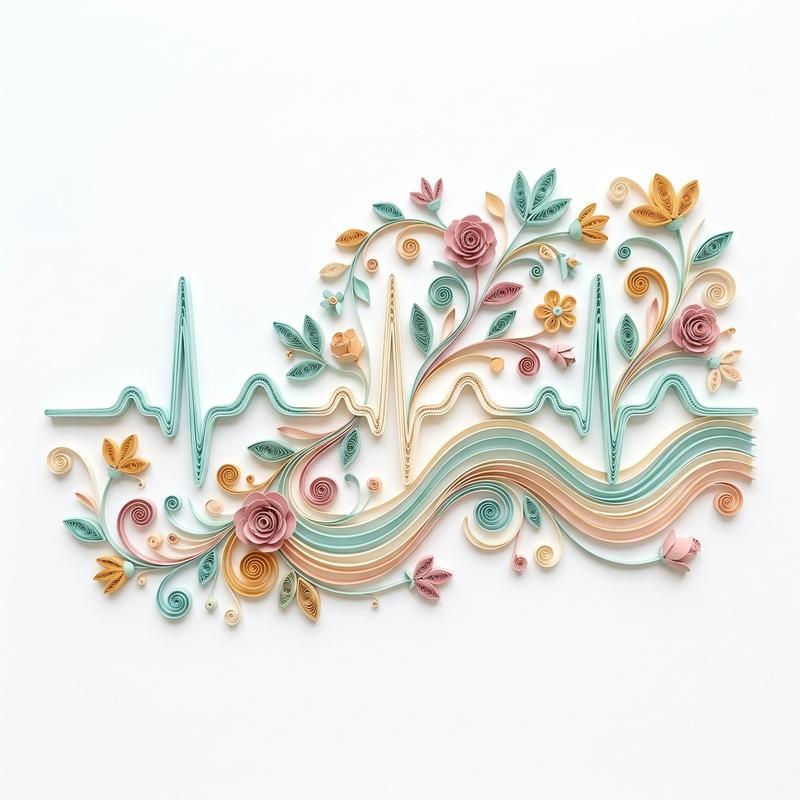
🎨 GEARARTS ARCHIVAL 3D PAPERCRAFT✨ BEST-CASE SCENARIO OUTCOME
With thousands of health monitors on Amazon and Walmart, choosing the right tool can feel overwhelming. Clinical trials consistently show that bicep upper-arm cuffs are dramatically more accurate than wrist or finger sensors because they measure arterial pressure directly at the level of the tricuspid valve of your heart.
What to Look For
FDA 510(k) Clearance: Ensures the device meets clinical validation standards (AAMI/ESH/ISO protocols).
Integrated Lead-I ECG: Devices like the Omron Complete or Withings BPM Core simultaneously capture rhythm strips to identify intermittent Atrial Fibrillation (AFib).
IRS §213(d) HSA/FSA Eligibility: Blood pressure monitors, pulse oximeters, and smart scales qualify for 100% tax-free purchase with your HSA debit card.
"Taking two blood pressure readings in the quiet of the morning provides ten times more clinical insight than a rushed reading in a stressful clinic waiting room."
With thousands of health monitors on Amazon and Walmart, choosing the right tool can feel overwhelming. Clinical trials consistently show that bicep upper-arm cuffsare dramatically more accurate than wrist or finger sensors because they measure arterial pressure directly at the level of the tricuspid valve of your heart.
What to Look For
FDA 510(k) Clearance: Ensures the device meets clinical validation standards (AAMI/ESH/ISO protocols).
Integrated Lead-I ECG: Devices like the Omron Complete or Withings BPM Core simultaneously capture rhythm strips to identify intermittent Atrial Fibrillation (AFib).
IRS §213(d) HSA/FSA Eligibility: Blood pressure monitors, pulse oximeters, and smart scales qualify for 100% tax-free purchase with your HSA debit card.
"Taking two blood pressure readings in the quiet of the morning provides ten times more clinical insight than a rushed reading in a stressful clinic waiting room."
🌱 6th Grade "Teaspoon" Plain Language Edition
Want to check your blood pressure at home? Here is what you need to know:
Pick an Arm Cuff: Monitors that wrap around your upper arm are much more accurate than wrist monitors because they sit level with your heart.
Sit Quietly: Sit still for 5 minutes with your feet flat on the floor before taking a reading.
Look for FDA Approved: Make sure the box says FDA-cleared so you know it gives trustworthy numbers.
Principal Author & Human GuarantorORCID: 0009-0008-1372-5381
Phillip Gear, MS
Founder & Chief Systems Architect at PocketGull LLC (Portland, OR). Specializes in salutogenic systems medicine, biophysical neurovascular modeling, and clinical decision support architecture. Serves as human guarantor, study designer, and corresponding author for all clinical evidence syntheses.
Autonomous Research Colloquium
Synthesized, cross-verified, and maintained in continuous collaboration with PocketGull's specialized AI agents:
🕊️ Agent Nightingale: Circadian sleep, glymphatics & autonomic tone
🦅 Agent Peregrine: Systems biology, bioenergetics & somatic flow
⚡ Agent Dr. Gulliver: High-acuity CDS, hemodynamics & ISMP safety
🛡️ Sentinel Guard: Data sovereignty, zero-leakage egress & FIDO2
COMMUNITY OBSERVATIONS • NOTES FROM THE WATCH
The Ship's Logbook & Clinical Notes
Keep watch together. Pencil field notes into the logbook, highlight key passages, share clinical observations, or use our digital
Chart Pen to sketch, underline, and stamp the page.
📸 TARGET EXCERPT SNAPSHOT
Ink:
Nib:
Stamp:
POCKETGULL SHIP'S LOGBOOK • CASLON GRID
📸 How to Log an Excerpt into the Ship's Log:
Highlight any sentence or paragraph in the article with your mouse or finger.
Click the floating "💬 Log Excerpt" pill that appears directly above your selection.
The excerpt will be automatically captured into your logbook entry.
Use the Chart Pen to circle key findings, draw leader arrows, or write field notes!
Filter:
🧭 Community Logbook: 100% Peer Verified
🖌️ Calligraphy Brush Active — Click & Drag on Margins
The Ship's Logbook & Clinical Notes
Keep watch together. Pencil field notes into the logbook, highlight key passages, share clinical observations, or use our digital Chart Pen to sketch, underline, and stamp the page.
📸 How to Log an Excerpt into the Ship's Log: